As global trade through European ports continues to grow, so does the environmental impact of shipping emissions on coastal communities and marine ecosystems. In response, the International Maritime Organization (IMO) has approved the new North-East Atlantic Emission Control Area (ECA), scheduled to enter into force in 2028.
The new ECA will cover the Exclusive Economic Zones (EEZs) of France, Spain, Portugal, and Greenland, as illustrated in the accompanying chart. Combined with the existing ECAs in North America, the Baltic Sea, the North Sea, Iceland, and the Mediterranean Sea, this new designation will create the world’s largest interconnected emission-controlled region, extending from the Mediterranean to the eastern coast of North America.
As a result, virtually every voyage to and from European ports will involve transit through regulated emission-control waters.
The new regulations will impose stricter limits on sulfur oxide (SOx) emissions and fine particulate matter (PM2.5). According to assessments by the IMO, WHO, and ICCT, the initiative is expected to reduce SOx emissions by up to 82% and PM2.5 emissions by approximately 64%, generating significant public health benefits and potentially saving billions of euros in healthcare costs by 2050. Black carbon emissions, which contribute to Arctic warming, are also expected to decrease substantially.
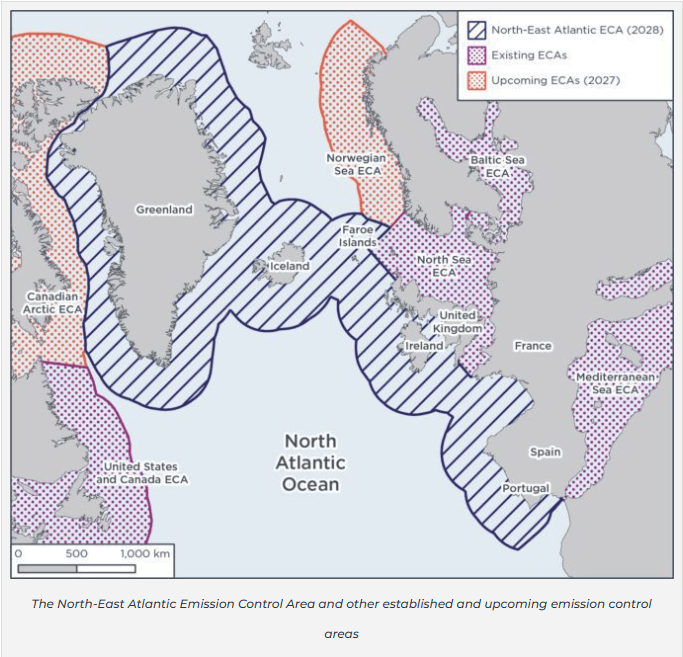
Fig. 1. North Atlantic Emission Control Area (Source: The ICCT)
The Weather Routing Perspective
While the environmental benefits are clear, the operational implications for ship operators are equally significant.
The North-East Atlantic is one of the most weather-exposed maritime regions in the world. During winter, frequent low-pressure systems generate gale-force winds and persistent swell conditions, with average significant wave heights often exceeding 5 meters and occasional events reaching 7–9 meters.
These conditions have a direct impact on vessel performance. Increased resistance from wind and waves leads to higher fuel consumption, reduced speed, schedule deviations, and greater operational costs.
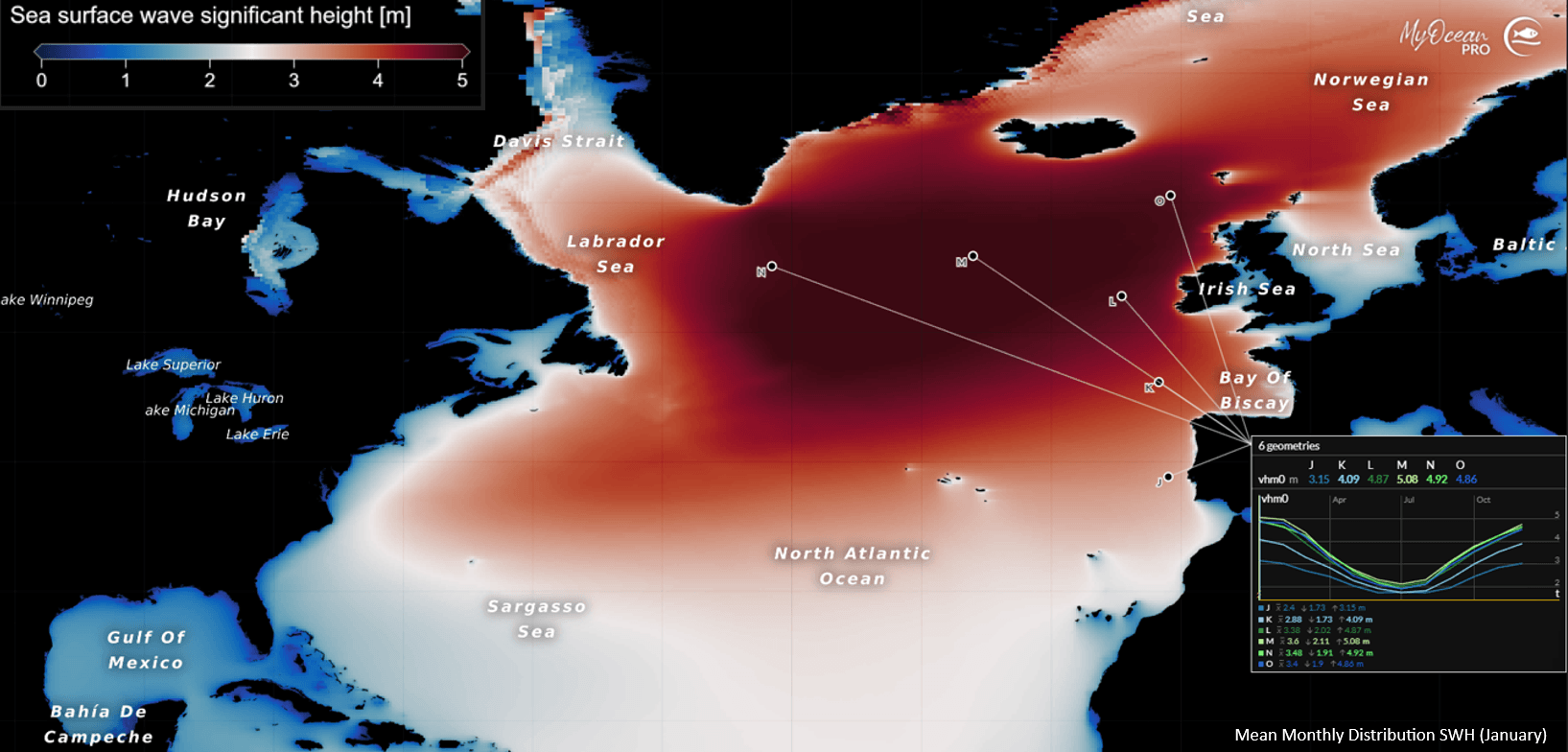
Fig. 2. Average Mean Significant Wave Heights in Northern Atlantic Regions for January (Source: Copernicus ECMWF)
The introduction of the new ECA adds another layer of complexity. Vessels operating within the region will be required to use compliant low-sulfur fuels, such as Marine Gas Oil (MGO), which typically carry a higher cost than conventional fuels. Operators must therefore balance weather avoidance strategies with fuel-switching requirements and regulatory compliance.
At the same time, European and UK emissions regulations, including the EU Emissions Trading System (EU ETS), are increasingly influencing voyage economics. Longer routes designed to minimize time within ECA waters may reduce compliant fuel consumption, but can also increase overall fuel burn, CO₂ emissions, ETS exposure, and operating costs.
Another important consideration is the vessel’s annual Carbon Intensity Indicator (CII) rating. Decisions regarding route selection, speed management, and weather avoidance now have a direct influence on a vessel’s environmental performance metrics.
For this reason, modern weather routing is no longer focused solely on safety, ETA, and fuel consumption. Effective voyage optimization must also consider ECA exposure, emissions costs, regulatory compliance, CII performance, and overall carbon footprint. The future of weather routing lies at the intersection of meteorology, emissions management, and voyage economics.
Dimitris Maragiannis
Weather Routing Operator